
Quick History Lesson on the First Jeep

Jeep military models helped the Allies to win World War II before becoming popular civilian SUVs.
Today, the Jeep is known for producing the world’s best sport utility vehicles and most people know that the brand has played a key role in American military history. However, not everyone realizes that the Jeep Wrangler that we know and love today can be traced back to the original military models which played a key role in winning World War II. Fortunately, the folks at Hot Cars put together a quick history lesson on how America’s most off-road-capable sport utility vehicles sprouted from a small, bare bones military machine.
The First Jeep
Two years before the United Stated got involved in World War II, the government contracted over a hundred companies to build a prototype of a four-wheel-drive reconnaissance vehicle that could be used to basically drive across war-torn Europe. Only Bantam Car Company, Ford Motor Company and Willys-Overland submitted vehicles, all of which had a relatively similar design. The Willys Quad prototype was chosen based on the fact that it was the most powerful of the three, offering a whopping 60 horsepower.
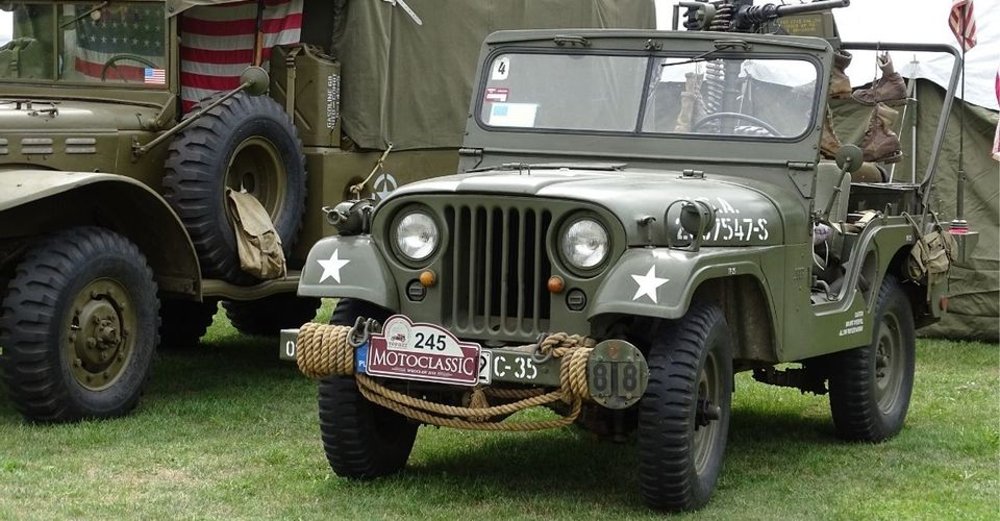
Although Willys-Overland got the contract from the U.S. military to produce their, the war required so many vehicles so quickly than the company allowed the feds to also have Ford build Jeeps, but they were to be built to the exact Willys specifications. As a result, while Willys built around 340,000 military Jeeps during World War II, Ford built another 280,000 or so. These vehicles were scattered across Europe during the war and they played a major role in the progression of the Allied forces.
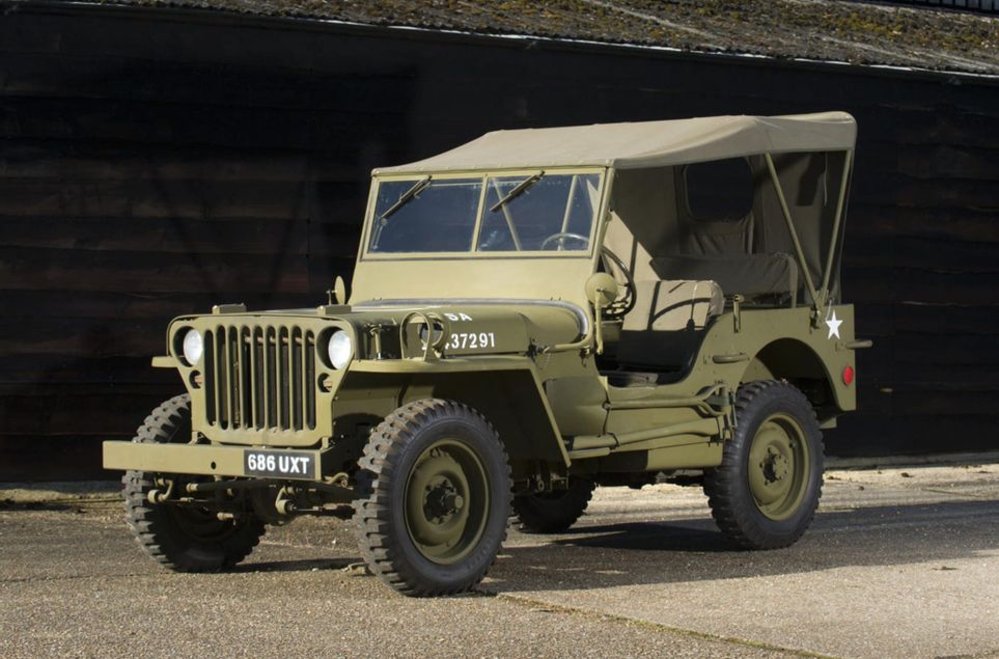
Not only were the first Jeep military vehicles great people movers, but with basic modifications, they could serve as an ambulance or a gun truck, with a 50-caliber machine gun bolted into the rear. They were even modified with special wheels so that they could drive on train tracks.
The CJ Arrives
After the war ended, Willys developed a civilian Jeep and when it went on sale in 1946, it was called the CJ-2A, with CJ standing for civilian Jeep. The post-military models included exterior lights that were more visible for road use, along with seats that were far more comfortable. They also came with a tailgate, making them more practical for the rigors of a normal street vehicle. While they lacked the creature comforts of the other popular American cars, they were practically unstoppable, making them popular among farmers and other drivers who needed a vehicle that was durable, powerful and inexpensive.

Of course, as time went on, the CJ evolved along with the rest of the automotive industry. The original Jeep went through a variety of iterations through 1986, at which point it was replaced by the Wrangler. The Wrangler had its clear connections to the original CJ and even today, the 2021 Jeep Wrangler Rubicon 392 sports styling cues of the first military vehicle in the 1930s.
Images: Pinterest
Join the JK-Forums now!

You must be logged in to post a comment.