


Another Headlight Thread... Trucks lites, JW, IPF etc etc


JK Enthusiast
Joined: Oct 2006
Posts: 163
Likes: 0
From: Westminster, MD

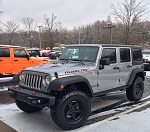
I've been running truck-lites since the fall. So far the only major complaint from me is that since they are LEDs they don't put out much heat (wasted energy) thus don't melt snow. During a couple storms it built up enough where the light output was completely useless. To be fair its not a design flaw just inherit of more efficient LED bulbs. Thankfully I've got a set of IPF driving lights mounted on my front bumper so not a huge problem for me; but I Lcould definitely see it being an issue in colder climates. But light output is far superior to stock and I think they look pretty awesome too so I'd definitely recommend them, but make sure you've got a pair of halogen driving lights for the winter or be prepared to pull over and wipe them off periodically when the weather gets ugly.
I've been in contact with TL about their own harness and supposedly its coming out at the beginning of April... will update if I hear anything more from them
I've been in contact with TL about their own harness and supposedly its coming out at the beginning of April... will update if I hear anything more from them
Now, dry snow? Not so much -- sluffs right off. I'm going to try a Rain X product on them next winter to see if that helps, but I'm being careful as the lenses on the TL Phase 7 is not glass: some research for the correct product is needed.
This isn't bashing, but a reminder. HID and incandescent bulbs put out the heat to melt snow on the lens: LEDs do not, unless the heat-soaked around its heat sink is pushed to the lens somehow, like earlier revisions of some designs were.
JK Freak
Joined: Oct 2009
Posts: 592
Likes: 6
From: Auburn, Alabama
I also love my jw speakers. Here is a pic of my home made anti flicker harness. 10 bucks at radioshack and 20 mins of work
Attachment 443054
Attachment 443055
Attachment 443054
Attachment 443055
JK Enthusiast
Joined: Jan 2012
Posts: 323
Likes: 0
From: Denver CO
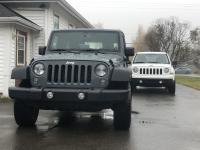
I just got 2 4700uf capacitors from radio shack, 1 for each light. If you want the high beams done you'll need 2 extra. Just stripped back the coating on the low beam wire and soldered it on then covered the whole thing with a piece of heat wrap. Been running these with zero problems for well over a month now.
JK Junkie
Joined: May 2011
Posts: 3,213
Likes: 21
From: Grand falls, Newfoundland
I have to agree wholeheartedly with this. The new technology of LED lighting is AWESOME. So efficient, and the output is spectacular in regard to the brightness and pattern. But with the increased efficiency comes less heat, and if you drive in an area that harbors conditions for wet snow, please pay attention to your light output at night. If it seems like the light is getting more scattered -- indicated by the visibility of falling snowflakes higher and higher above the lowbeam cutoff -- stop, get out, and clean your headlight off. There WILL be a layer of snow buildup that you'll have to wipe off at intervals.
Now, dry snow? Not so much -- sluffs right off. I'm going to try a Rain X product on them next winter to see if that helps, but I'm being careful as the lenses on the TL Phase 7 is not glass: some research for the correct product is needed.
This isn't bashing, but a reminder. HID and incandescent bulbs put out the heat to melt snow on the lens: LEDs do not, unless the heat-soaked around its heat sink is pushed to the lens somehow, like earlier revisions of some designs were.
Now, dry snow? Not so much -- sluffs right off. I'm going to try a Rain X product on them next winter to see if that helps, but I'm being careful as the lenses on the TL Phase 7 is not glass: some research for the correct product is needed.
This isn't bashing, but a reminder. HID and incandescent bulbs put out the heat to melt snow on the lens: LEDs do not, unless the heat-soaked around its heat sink is pushed to the lens somehow, like earlier revisions of some designs were.
JK Freak
Joined: Oct 2009
Posts: 592
Likes: 6
From: Auburn, Alabama
I just got 2 4700uf capacitors from radio shack, 1 for each light. If you want the high beams done you'll need 2 extra. Just stripped back the coating on the low beam wire and soldered it on then covered the whole thing with a piece of heat wrap. Been running these with zero problems for well over a month now.
JK Enthusiast
Joined: Jan 2012
Posts: 323
Likes: 0
From: Denver CO
Yes. There are arrowns on the capacitor. They need to point to the ground wire. So positive side goes to low beam wire negative to ground
JK Freak
Joined: May 2012
Posts: 916
Likes: 3
From: Dallas
Sent from the fast lane while driving one handed.