


Homemade Removable Tie-downs


Thread Starter
JK Jedi Master

Joined: Feb 2008
Posts: 12,907
Likes: 185
From: Maine
 Homemade Removable Tie-downs
Two of my factory tie-down points got used to bolt down my false floor, so I decided to install 4 stronger, removable tie-downs.
Most of the parts I had lying around for years, including the rings. Similar items can be purchased at Lowe's, or Home Depot. It would not be too expensive.
If you don't want to make these yourself, there are tie-downs on the market that are similar to these. There were a few things I didn't like about them, though.
Anyway, here is how I did it. Take what you can use from it if you want removable tie-downs in the back of your Jeep.
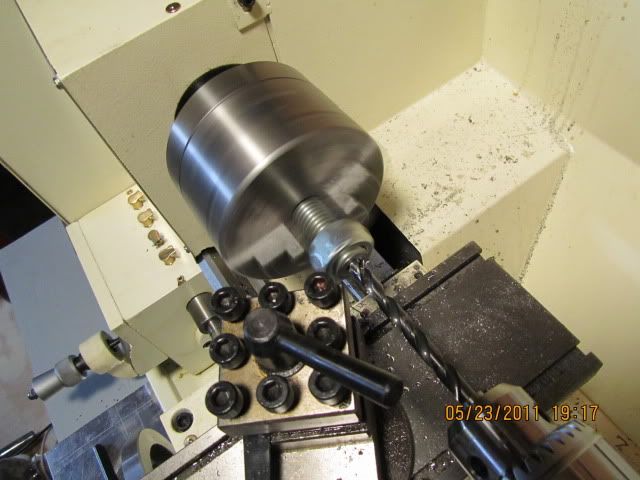
Drilling the all-thread rod.
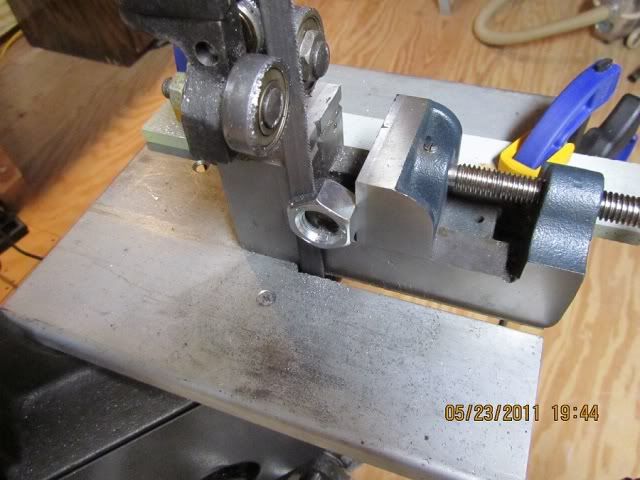
Cutting the nuts in half. (I didn't feel a thing.)
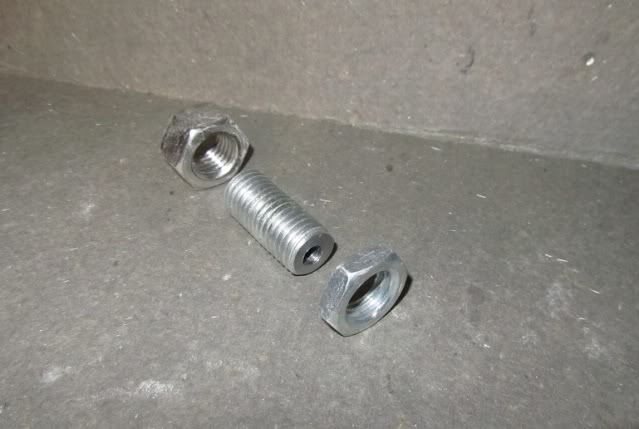
The three main pieces.
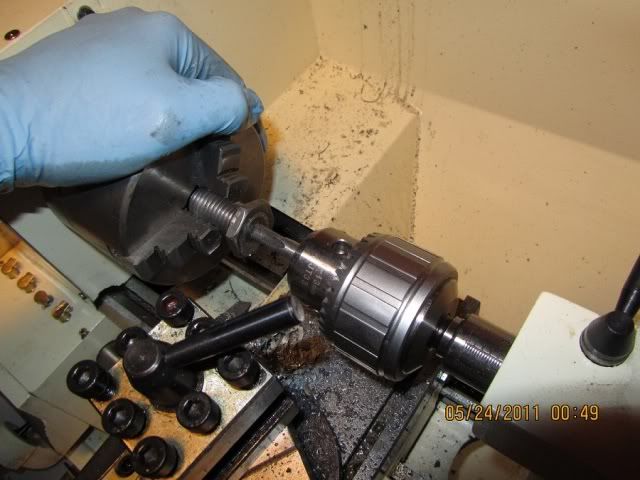
Tapping the all-thread for the tie-down ring.
Pieced together. edit: I didn't use a bolt because I couldn't find a 3/4" bolt that was threaded all the way to the head.
I tried to thread one, but soon realized I need more practice at threading up to a shoulder.
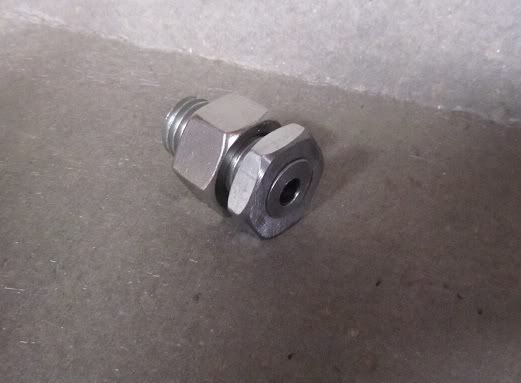
Ready for installation.
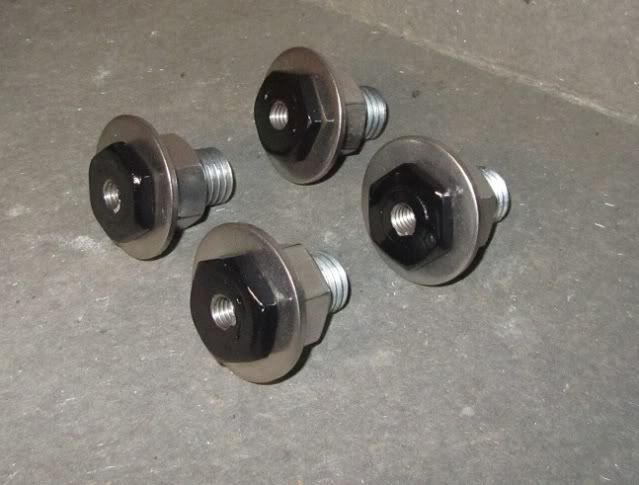
Installed.
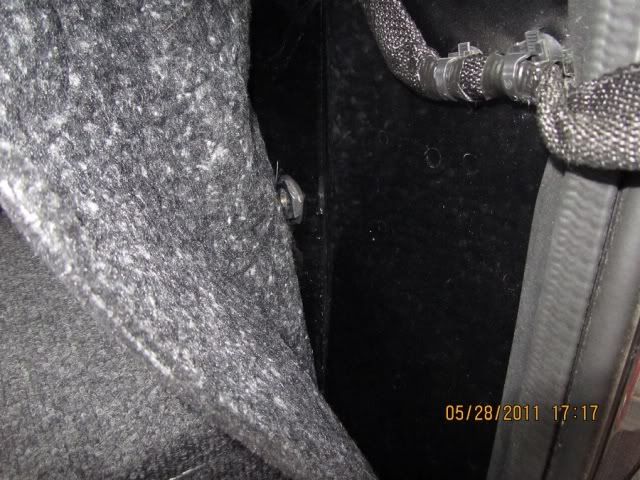
View inside the body well. The 3/4" hole in the body well is protected by silicone. The nut is locked on with red loctite.
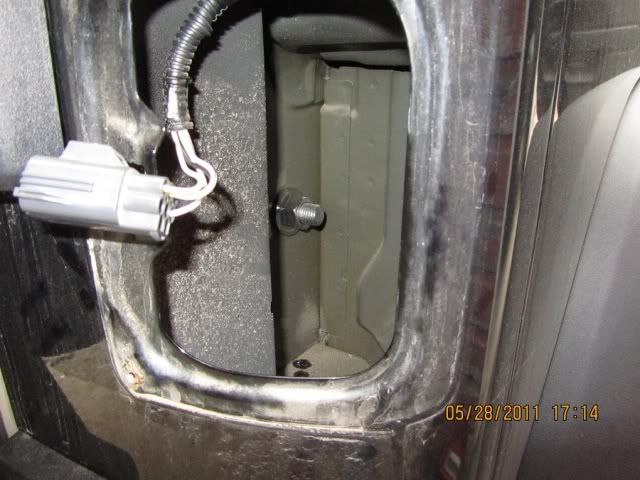
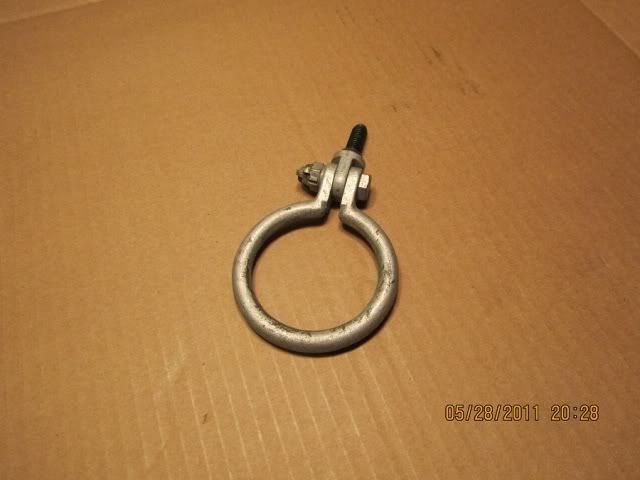
This is the tie-down ring. The threaded portion is welded onto the ring base.
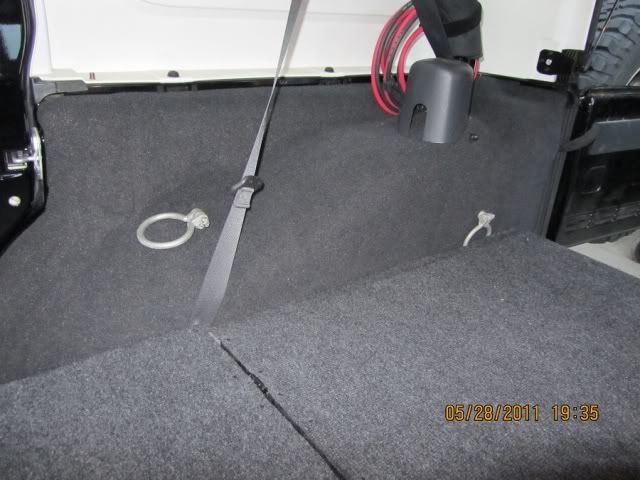
Everything in place. The rings are removable. They pivot, and swivel.
Most of the parts I had lying around for years, including the rings. Similar items can be purchased at Lowe's, or Home Depot. It would not be too expensive.
If you don't want to make these yourself, there are tie-downs on the market that are similar to these. There were a few things I didn't like about them, though.
Anyway, here is how I did it. Take what you can use from it if you want removable tie-downs in the back of your Jeep.
Drilling the all-thread rod.
Cutting the nuts in half. (I didn't feel a thing.)
The three main pieces.
Tapping the all-thread for the tie-down ring.
Pieced together. edit: I didn't use a bolt because I couldn't find a 3/4" bolt that was threaded all the way to the head.
I tried to thread one, but soon realized I need more practice at threading up to a shoulder.
Ready for installation.
Installed.
View inside the body well. The 3/4" hole in the body well is protected by silicone. The nut is locked on with red loctite.
This is the tie-down ring. The threaded portion is welded onto the ring base.
Everything in place. The rings are removable. They pivot, and swivel.
Last edited by ronjenx; Mar 2, 2012 at 05:04 PM.




Thread Starter
JK Jedi Master
Joined: Feb 2008
Posts: 12,907
Likes: 185
From: Maine
this is really nice. i am evious that u have a metal lathe.
i am puzzled about one thing - why did u cut the nut in half when you could have taken a bolt and made a hole down the center of that and retain the head? what advantage did you gain with a double nut?
works either way just thought there might be a reason.
i am puzzled about one thing - why did u cut the nut in half when you could have taken a bolt and made a hole down the center of that and retain the head? what advantage did you gain with a double nut?
works either way just thought there might be a reason.
I would have had to turn a bolt head down to a low profile, anyway.
Thread Starter
JK Jedi Master
Joined: Feb 2008
Posts: 12,907
Likes: 185
From: Maine
Cargo Net
Update on tying stuff down in the back...
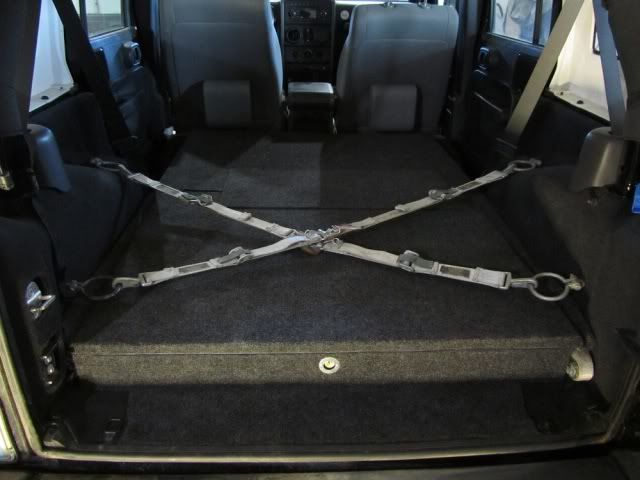
When I installed the tie-down rings, I was imagining something like this.
I bought a Safari Straps Cargo Net for the back of the Jeep. This is a quality net. The rings and buckles are all metal, and the perimeter of the net is double strapped.
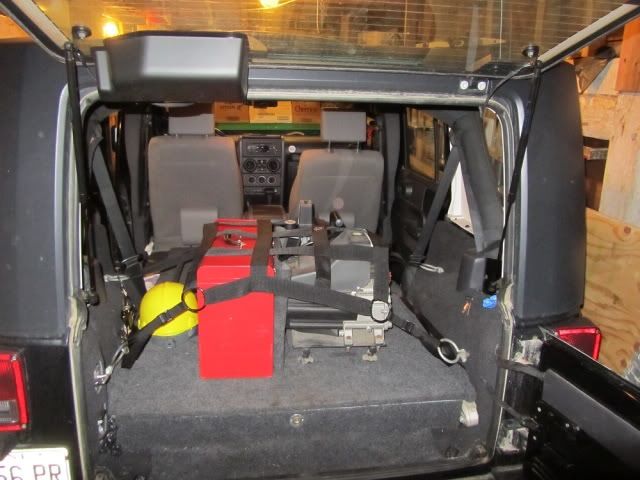
A couple pictures, loaded up and ready for some work in the field.
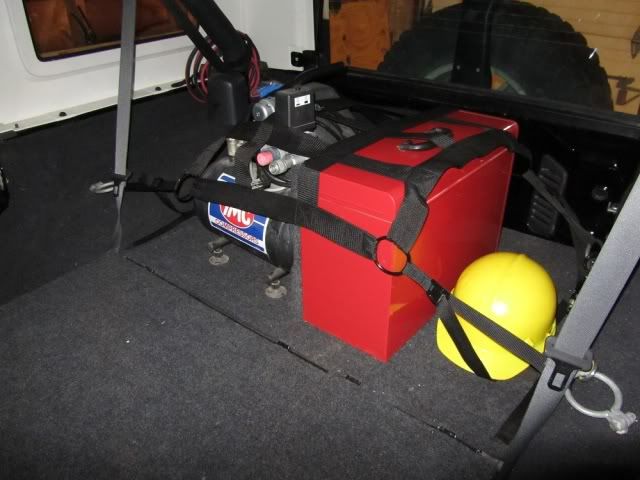
When I installed the tie-down rings, I was imagining something like this.
I bought a Safari Straps Cargo Net for the back of the Jeep. This is a quality net. The rings and buckles are all metal, and the perimeter of the net is double strapped.
A couple pictures, loaded up and ready for some work in the field.

Trending Topics

Thread Starter
JK Jedi Master
Joined: Feb 2008
Posts: 12,907
Likes: 185
From: Maine
I don't have much faith in nutserts, rivnuts, etc. They just don't seem to have the holding power for something you use to tie an object down.

JK Junkie
Joined: Nov 2007
Posts: 2,192
Likes: 2
From: SoCal