Jeep vs Toyota vs Ford: Who's Actually Winning the Off-Road Arms Race?
Sales trends, pricing strategies, reliability data, and electrification decisions reveal how each brand is winning, and where the balance is starting to shift in 2026.
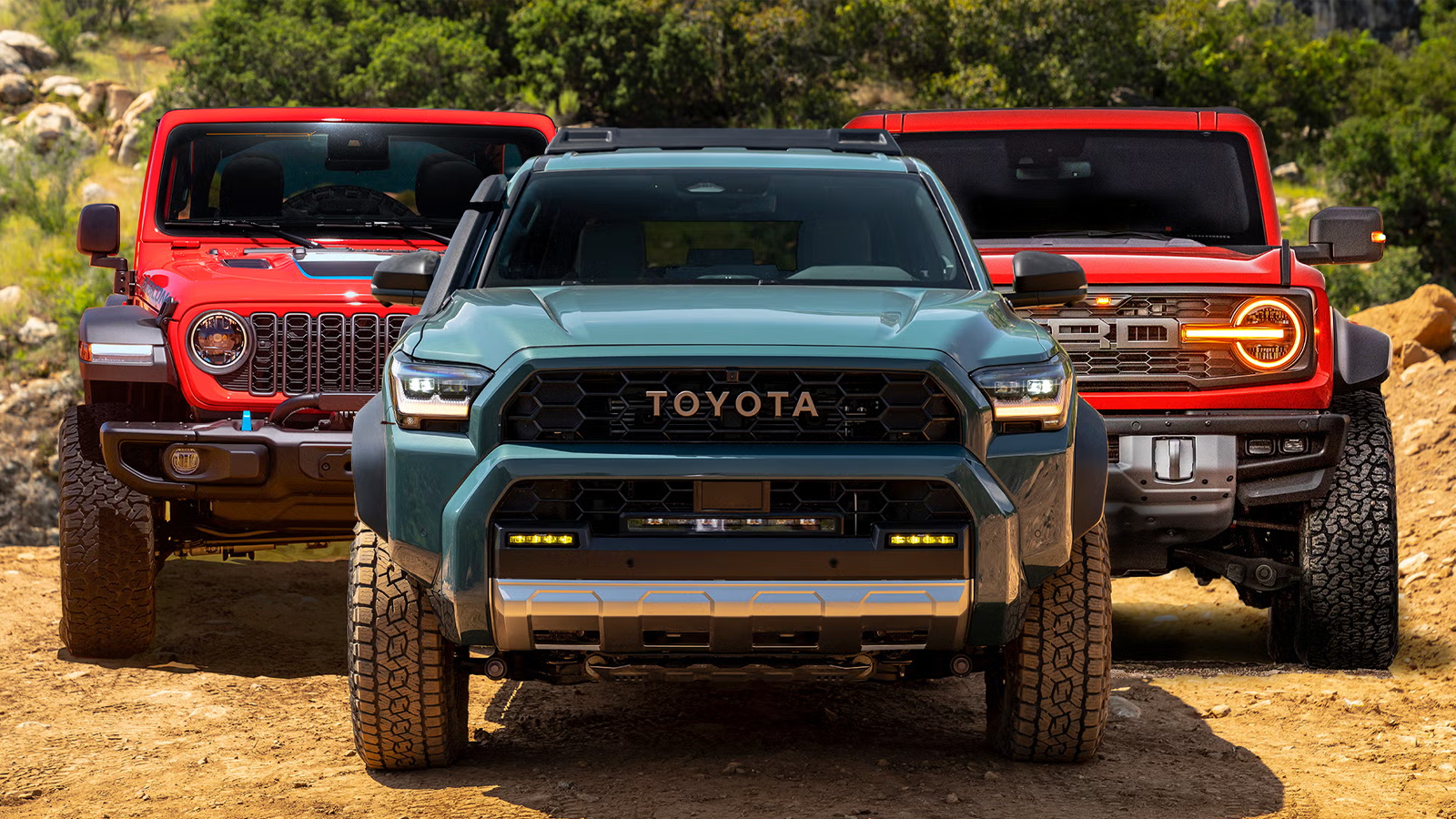


Intro
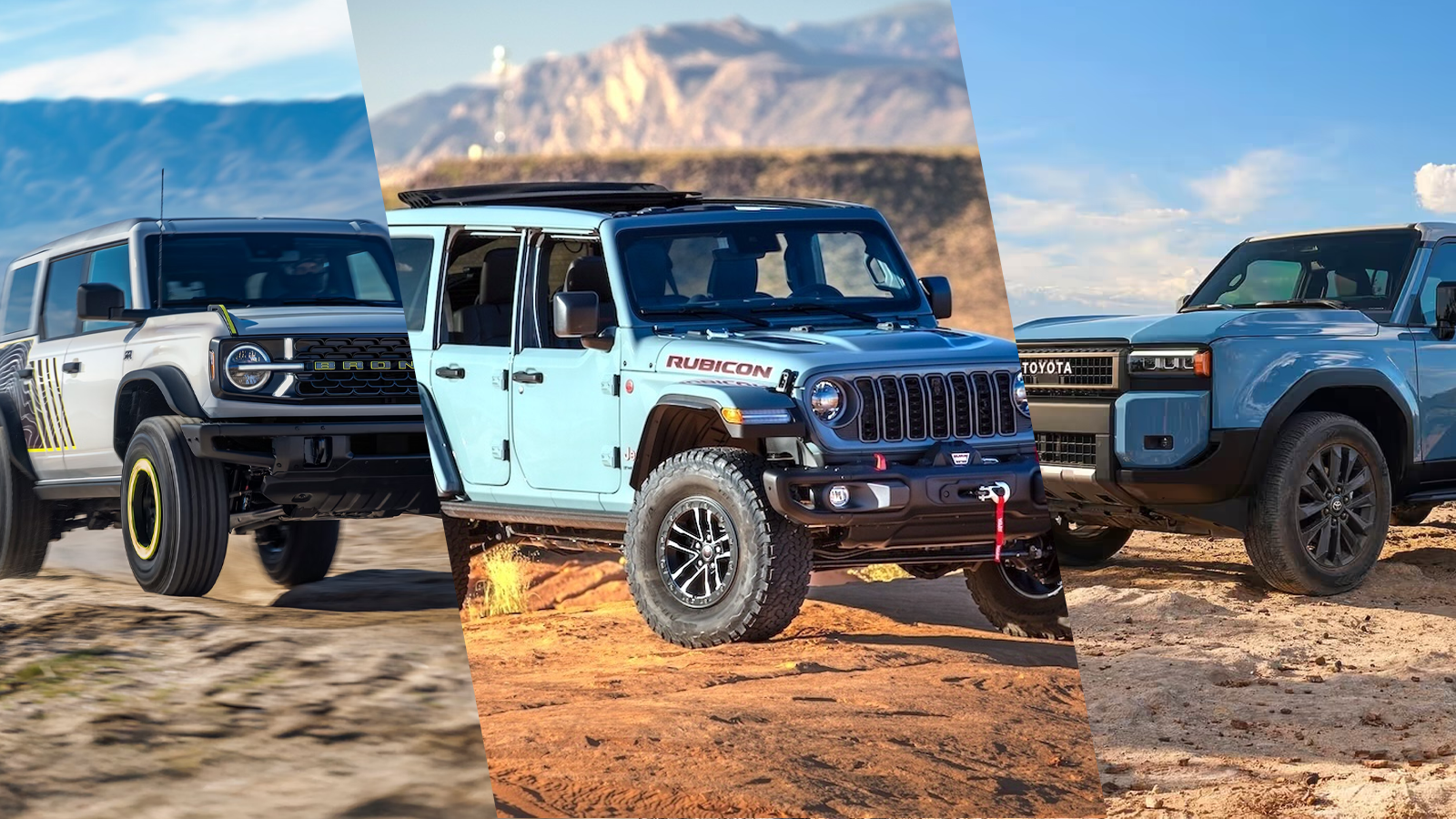
The modern off-road SUV market is no longer about image alone. Pricing has climbed, buyers are more informed, and competitors now match or exceed traditional benchmarks in key areas like reliability, efficiency, and daily usability. Jeep, Toyota, and Ford remain the segment’s core players, but they are winning in very different ways.
Here’s how the battle actually breaks down heading into 2026.
WHERE JEEP SHINES: Jeep Still Owns the Segment’s Center of Gravity
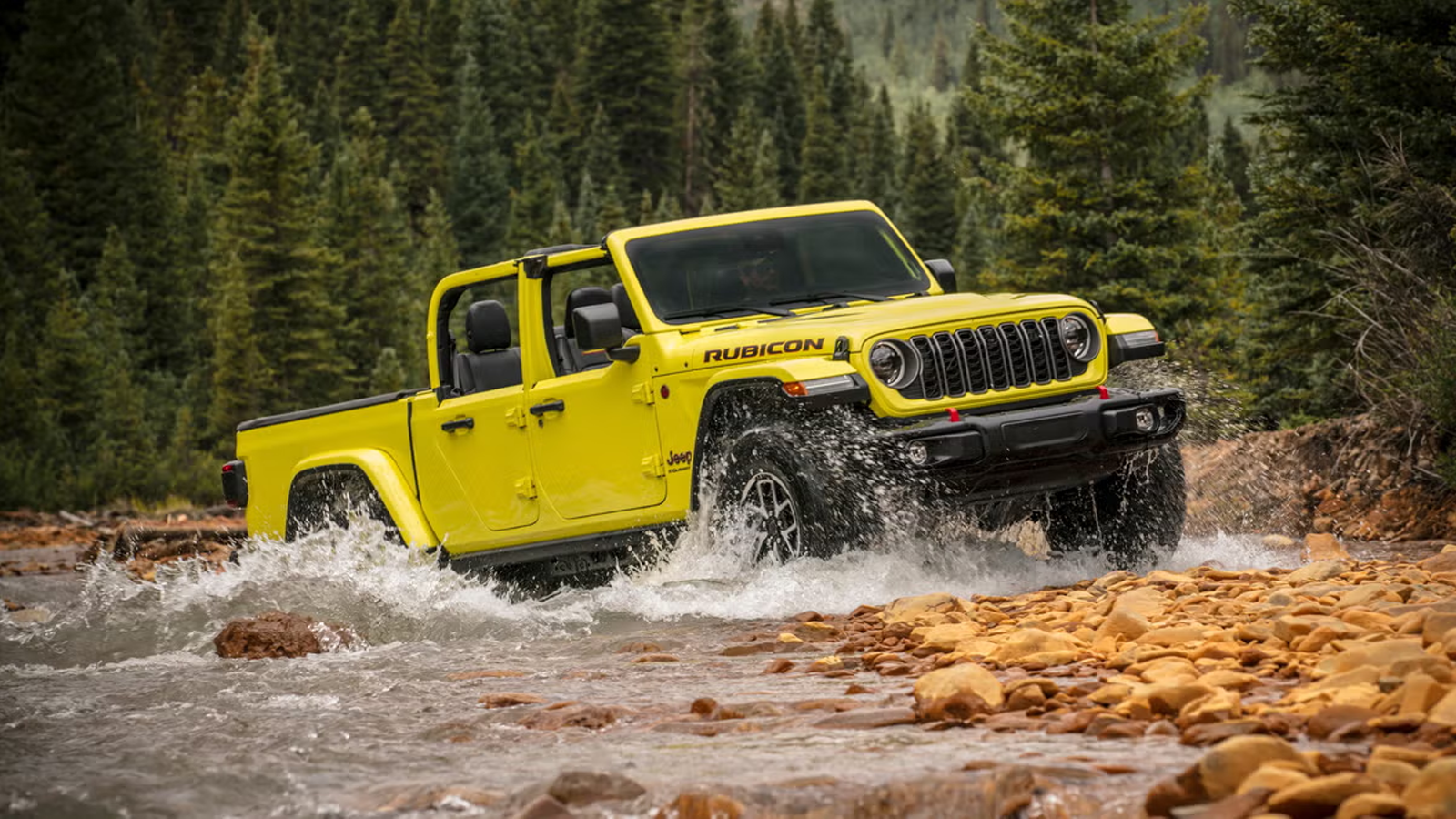
Jeep remains the reference point for the off-road SUV market, largely because the Wrangler continues to define the category. No other vehicle combines removable doors and roof, solid axles, aftermarket depth, and brand recognition at the same scale.
From a volume standpoint, Wrangler sales still exceed those of the Ford Bronco and Toyota 4Runner individually, even as pricing has increased significantly over the past five years. Wrangler also continues to anchor Jeep’s identity in a way neither Ford nor Toyota can replicate with a single model.
However, Jeep’s advantage is narrower than it once was. Wrangler sales growth has slowed, incentives have returned on higher trims, and a growing share of buyers are choosing competitors that offer similar capability with fewer compromises.
WHERE FORD SHINES: Ford Is Winning the Momentum War
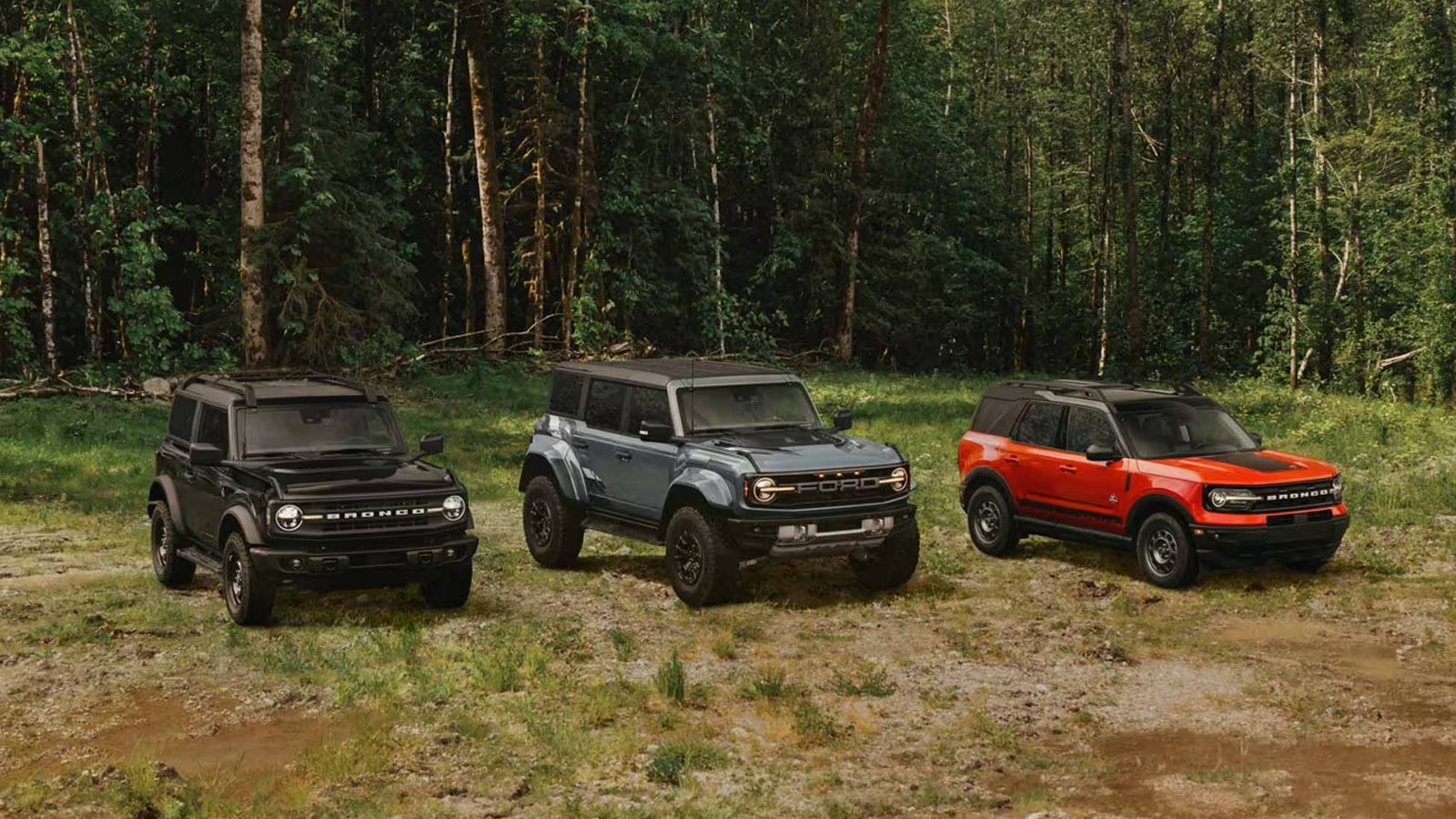
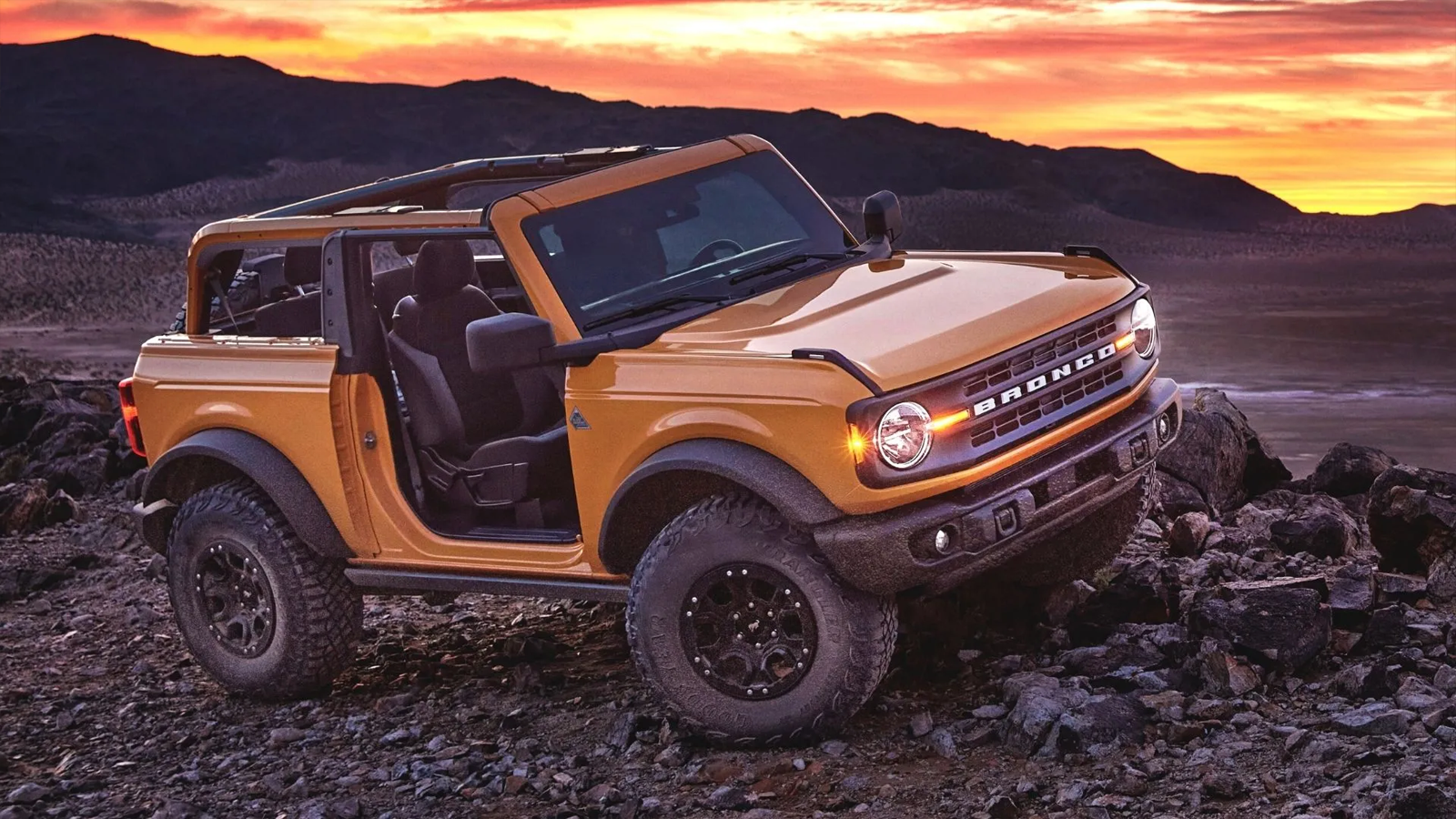
If Jeep owns the past, Ford owns the present trajectory. The Bronco has evolved from a launch novelty into a stable, high-volume competitor, with year-over-year sales growth outpacing both Wrangler and 4Runner in recent cycles.
Ford’s advantage is structural:
- A clear two-tier strategy (Bronco and Bronco Sport)
- Strong pricing separation between trims
- Modern interiors and technology relative to Jeep
- Fewer identity conflicts across the lineup
Crucially, Bronco has attracted buyers who previously would have defaulted to Wrangler, not just first-time off-road buyers, but long-time Jeep owners looking for an alternative. Where Ford still trails Jeep is in aftermarket depth and hardcore trail reputation, but the gap is no longer decisive for most buyers.
WHERE TOYOTA SHINES: Toyota Wins on Trust, Not Theater
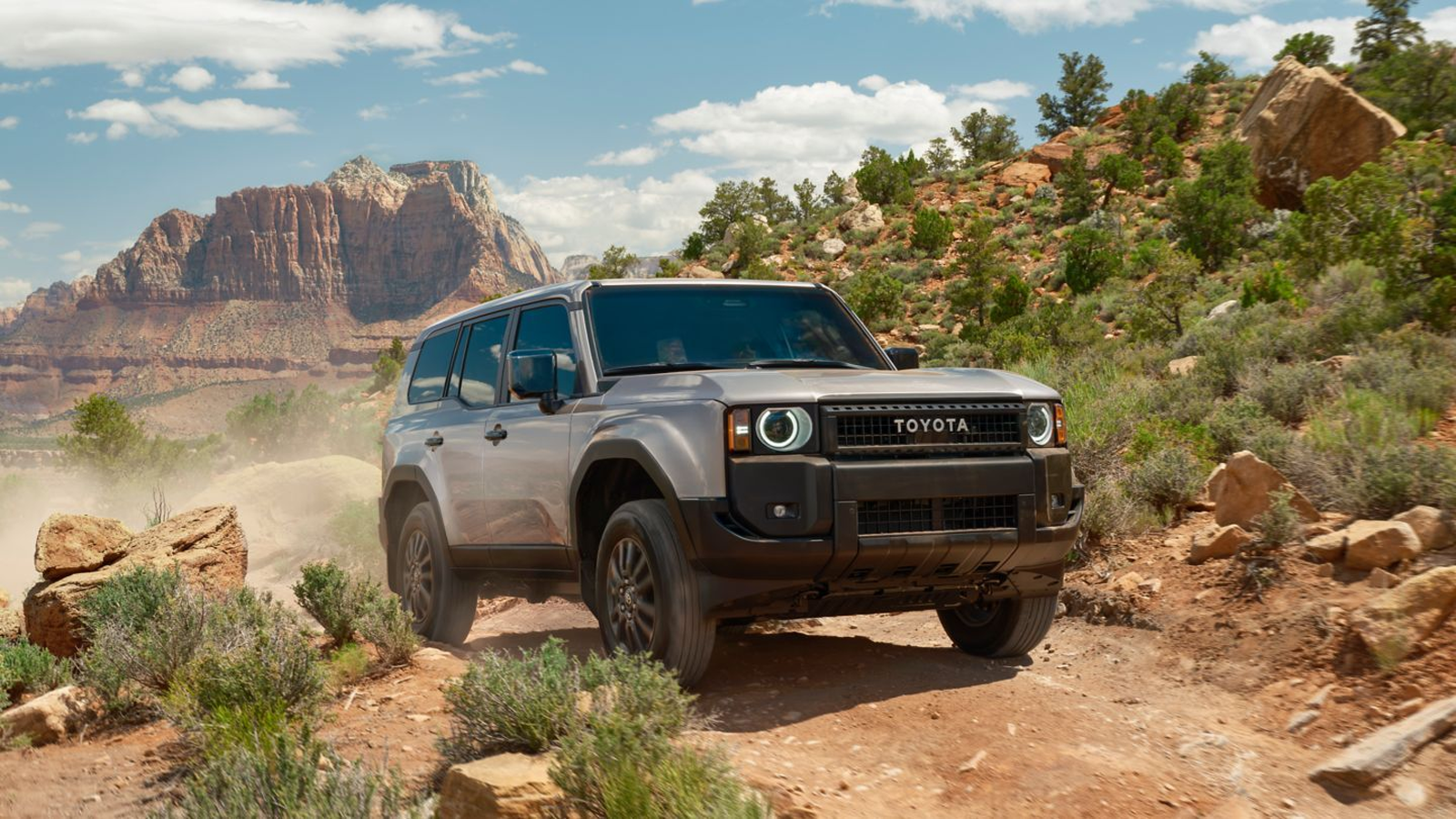
Toyota’s approach to off-road competition is fundamentally different. The 4Runner and Land Cruiser are not lifestyle statements; they are durability plays. Despite aging platforms (until recently), the 4Runner has maintained remarkably consistent sales and one of the strongest resale values in the entire SUV market. Owner loyalty remains high, and reliability scores routinely outperform Jeep and Ford in third-party studies.
Toyota’s weakness has historically been pace: Slower redesign cycles, conservative powertrain strategy, and less emphasis on aggressive styling or trim proliferation
The next-generation 4Runner and the reintroduced Land Cruiser signal a shift, but Toyota still prioritizes long-term ownership over headline specs.
PRICING: The Quiet Battleground
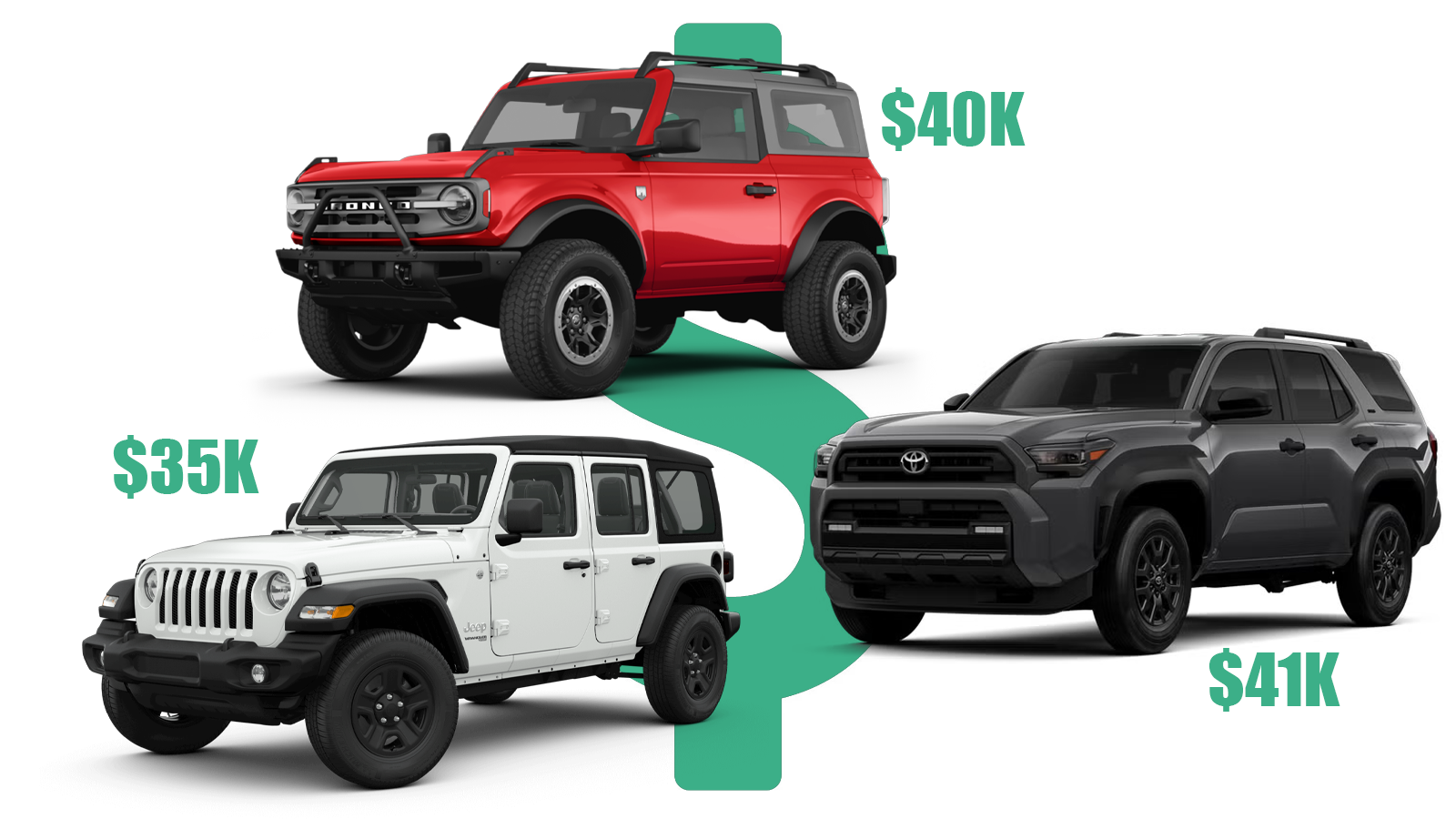
All three brands now sell off-road SUVs that routinely cross the $60,000 mark, but how they justify that pricing differs:
- Jeep leans on heritage and modular capability
- Ford emphasizes features, tech, and trim clarity
- Toyota relies on reputation and resale strength
The problem for Jeep is that its pricing escalation has been paired with quality and reliability questions, particularly around electrified models, while Ford and Toyota have kept tighter control over perceived value. As transaction prices rise, emotional loyalty matters less, and the total cost of ownership matters more.
ELECTRIFICATION: It Has Helped Toyota and Ford More Than Jeep
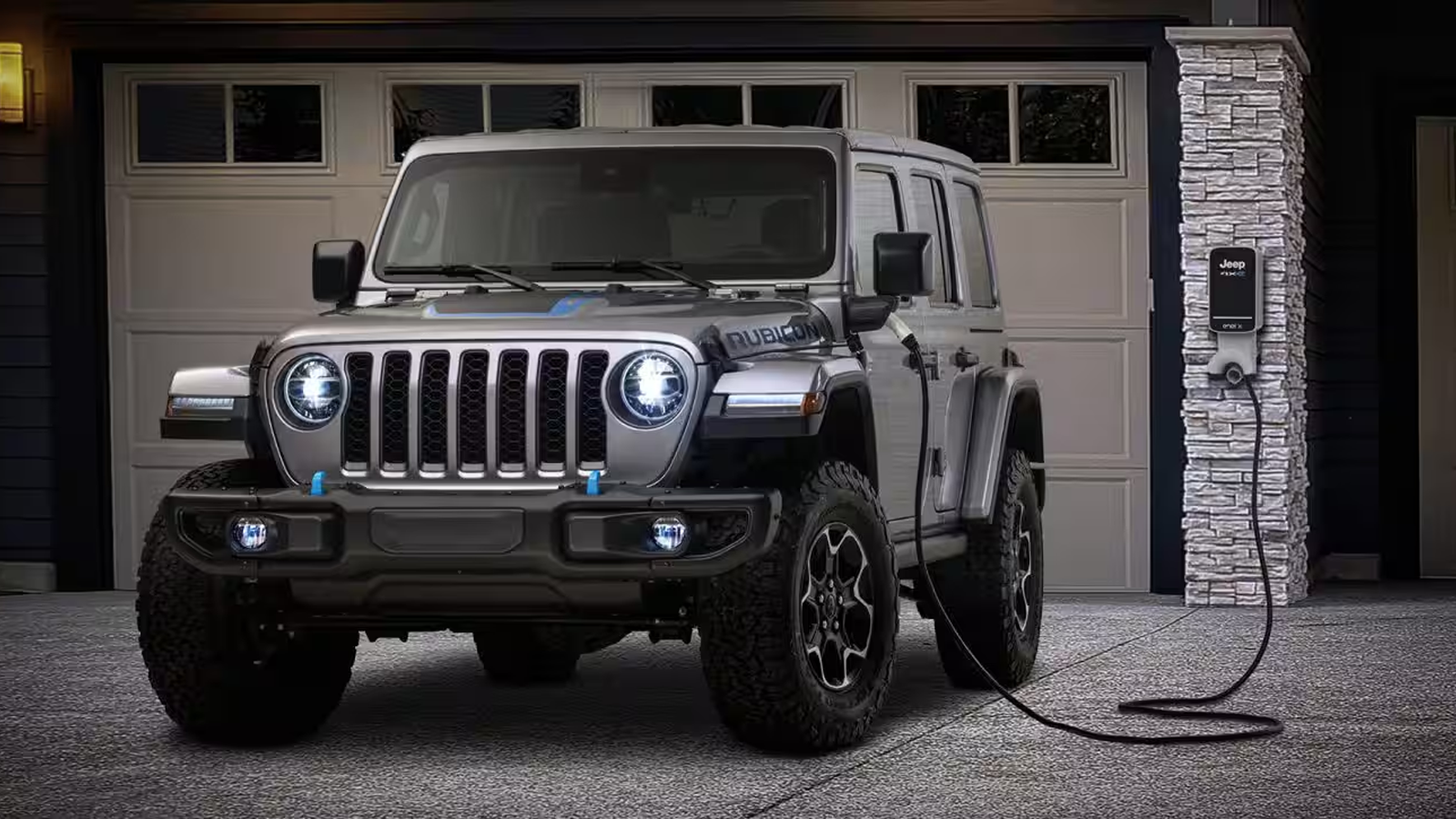
Jeep was early with plug-in hybrids, but execution issues, most notably recalls and real-world efficiency complaints, have complicated the 4xe story. While electrification was meant to future-proof Wrangler and Grand Cherokee, it instead introduced risk into Jeep’s most important nameplates.
Toyota’s hybrid systems, by contrast, are widely viewed as mature and dependable, even if less ambitious. Ford has taken a cautious middle path, focusing on efficiency gains without tying core off-road identity to electrification.
CAPABILITY: Gaps Are Shrinking
Locking differentials, terrain modes, crawl control, and advanced traction systems are no longer exclusive to Jeep. What once separated Wrangler Rubicon from everything else is now available, sometimes standard, on competing trims. Jeep still holds an edge at the extreme end of the spectrum, but for the vast majority of buyers, the functional gap has narrowed to the point of irrelevance.
Who’s Actually Winning?
Jeep still leads in identity and cultural relevance, but must defend that position more actively than ever. Ford is winning growth, conquest sales, and momentum. Toyota continues to dominate the long game: reliability, resale, and trust. There is no single winner anymore. The off-road arms race has shifted from dominance to tradeoffs, and for the first time in decades, Jeep is no longer the default choice; it’s just one of three credible answers.
Photo: MotorTrend