


Nitrogen in my tires


JK Jedi Master

Joined: Feb 2008
Posts: 12,907
Likes: 185
From: Maine

The differences are so subtle, I would use nitrogen only if free, and convenient.
Nitrogen servicing will improve ride and mileage only if the tires are properly inflated after having been improperly inflated before.


 thanks for the tip.

JK Enthusiast
Joined: May 2011
Posts: 482
Likes: 0
From: heart of dixie
This is a new one to me. Perhaps the advantage is no moisture so you don't have some co-phase behavior? At a measly 40 psi, that's even a stretch. You could get the same advantage with dry air. Also, isn't the atomic weight of Nitrogen less than Oxygen, and therefore a smaller molecule? I think my snake oil detector is going off.

JK Super Freak
Joined: Oct 2009
Posts: 1,605
Likes: 0
From: 54° 4.5' N 123° 7' W
When the dealership asked if I wanted nitrogen on the used Sahara i bought, I said that it would be pointless, and started to explain how we air down and back up with our own compressors, and the sales guy just gave me a blank stare.
JK Newbie
Joined: Mar 2011
Posts: 88
Likes: 0
From: U.S.A.
Dealers push the nitro because of the huge markup - like pinstripes. I've heard so much BS from dealers:
Better mileage
Less tire rot
Less rust in rims
My favorite: Less likely to fuel a fire in a crash
All BS and easily refuted.
But . . .
I had a Chevy Trailblazer SS and it came from the dealer with nitro. I will say it did hold pressure a lot longer than other vehicles I've owned. I didn't have to add air for 18 months to any of the tires. (I know, not quite a controlled study of the matter) So they seem to hold pressure better - like others have said - larger molecules.
It's somewhat ironic, because the SS comes with on board tire inflator (rear passenger quarter cubby), nice brass pressure gauge, and a hose long enough to reach all four corners of the truck.
I check the pressure on every tire I own - Jeep/SUV/Motorcycle/Bike/JohnDeere - on a regular basis so it's not worth the effort/cost of nitro for that one benefit.
Better mileage
Less tire rot
Less rust in rims
My favorite: Less likely to fuel a fire in a crash
All BS and easily refuted.
But . . .
I had a Chevy Trailblazer SS and it came from the dealer with nitro. I will say it did hold pressure a lot longer than other vehicles I've owned. I didn't have to add air for 18 months to any of the tires. (I know, not quite a controlled study of the matter) So they seem to hold pressure better - like others have said - larger molecules.
It's somewhat ironic, because the SS comes with on board tire inflator (rear passenger quarter cubby), nice brass pressure gauge, and a hose long enough to reach all four corners of the truck.
I check the pressure on every tire I own - Jeep/SUV/Motorcycle/Bike/JohnDeere - on a regular basis so it's not worth the effort/cost of nitro for that one benefit.
JK Newbie
Joined: Mar 2011
Posts: 88
Likes: 0
From: U.S.A.
This is a new one to me. Perhaps the advantage is no moisture so you don't have some co-phase behavior? At a measly 40 psi, that's even a stretch. You could get the same advantage with dry air. Also, isn't the atomic weight of Nitrogen less than Oxygen, and therefore a smaller molecule? I think my snake oil detector is going off.
Nitro is dry and will not introduce more moisture into the tire. I don't know if you can get dry air, as the compressor is sucking up the atmosphere around it, which is not dry.
They often mention the lack of moisture. Who cares? All my tires die due to baldness - not the effects of moisture form lowly air.
Also, we are talking about the size of the molecule, not the atom.
JK Enthusiast
Joined: Nov 2010
Posts: 499
Likes: 0
From: San Antonio, TX
I air down about 3 times a month spring-fall, maybe once a month in winter. Tires don't have much chance to lose pressure, if I was worried about gas mileage would not own a JK, my wheels will die from rocks on the trail long before rust sets in. Like everyone else, don't see an advantage for a jeep.
JK Freak
Joined: Oct 2008
Posts: 524
Likes: 0
From: Yucaipa, ca
I don't get the nitrogen thing, except $$ for the supplier.
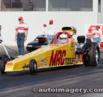
I always ran nitrogen in the rear tires of my dragster when that was my sport, only because nitrogen is an inert gas that doesn't fluctuate with temp changes, I ran 8 lbs in my rear tires, and the tires wouldn't change pressure, even if I sat in the hot staging lanes for an hour. Running it in a highway vehicle?? Waste of $$
My .002 cents
I always ran nitrogen in the rear tires of my dragster when that was my sport, only because nitrogen is an inert gas that doesn't fluctuate with temp changes, I ran 8 lbs in my rear tires, and the tires wouldn't change pressure, even if I sat in the hot staging lanes for an hour. Running it in a highway vehicle?? Waste of $$
My .002 cents