


OTRATTW Switches




JK Enthusiast
Joined: Feb 2011
Posts: 111
Likes: 0
From: Brandon, Vermont

Here you go. It looks like the one posted before this 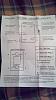 one but it has something about jumping wires on mine. The switches you have are the ones I originally wanted but I think they were out of stock. Thanks for the help by the way.
Last edited by denverrubi; Jan 27, 2013 at 05:35 PM.

JK Freak
Joined: Jan 2008
Posts: 508
Likes: 5
From: St. Louis, MO
Okay, you should jump ALL of your 7 & 8s together, as they are all grounds. All of your 6s should be jumped and likely hooked to your dimmer if you want them dimmable and only on when your lights are on; if you always want the lowers on, wire those to a switched 12v circuit.
I think I understand the rest, but it would be nice to be able to read Jim's wording on the page. Can you snap another pic with the wording in focus? With my iPhone, I turned the flash on.
Before reading what he typed in the top right, it appears your upper light is internally jumpered to 3 and will turn on when you flip the switch on. So run your source power to 2 and your outgoing from 3 (to lights, etc).
Side note to save wiring: You could potentially jumper all of your 2s together from a switched or constant source, if for instance you were either switching relays from your switches (which take hardly any juice) or if you were running led lights. As long as your wire gauge is large enough to handle the juice you need for your outputs, all 2s COULD be jumpered. Make sure your fuse size matches your wire gauge if you do that.
I think I understand the rest, but it would be nice to be able to read Jim's wording on the page. Can you snap another pic with the wording in focus? With my iPhone, I turned the flash on.
Before reading what he typed in the top right, it appears your upper light is internally jumpered to 3 and will turn on when you flip the switch on. So run your source power to 2 and your outgoing from 3 (to lights, etc).
Side note to save wiring: You could potentially jumper all of your 2s together from a switched or constant source, if for instance you were either switching relays from your switches (which take hardly any juice) or if you were running led lights. As long as your wire gauge is large enough to handle the juice you need for your outputs, all 2s COULD be jumpered. Make sure your fuse size matches your wire gauge if you do that.
Last edited by bobholthaus; Jan 27, 2013 at 06:29 PM.
JK Enthusiast
Joined: Feb 2011
Posts: 111
Likes: 0
From: Brandon, Vermont
As of right now I am running 14 gauge. I ws doing 16 but switched.
Okay, you should jump ALL of your 7 & 8s together, as they are all grounds. All of your 6s should be jumped and likely hooked to your dimmer if you want them dimmable and only on when your lights are on; if you always want the lowers on, wire those to a switched 12v circuit.
I think I understand the rest, but it would be nice to be able to read Jim's wording on the page. Can you snap another pic with the wording in focus? With my iPhone, I turned the flash on.
Before reading what he typed in the top right, it appears your upper light is internally jumpered to 3 and will turn on when you flip the switch on. So run your source power to 2 and your outgoing from 3 (to lights, etc).
You could potentially jumper all of your 2s together from a switched or constant source, if for instance you were either switching relays from your switches (which take hardly any juice) or if you were running led lights. As long as your wire gauge is large enough to handle the juice you need for your outputs, all 2s COULD be jumpered. Make sure your fuse size matches your wire gauge if you do that.
I think I understand the rest, but it would be nice to be able to read Jim's wording on the page. Can you snap another pic with the wording in focus? With my iPhone, I turned the flash on.
Before reading what he typed in the top right, it appears your upper light is internally jumpered to 3 and will turn on when you flip the switch on. So run your source power to 2 and your outgoing from 3 (to lights, etc).
You could potentially jumper all of your 2s together from a switched or constant source, if for instance you were either switching relays from your switches (which take hardly any juice) or if you were running led lights. As long as your wire gauge is large enough to handle the juice you need for your outputs, all 2s COULD be jumpered. Make sure your fuse size matches your wire gauge if you do that.

JK Newbie
Joined: May 2010
Posts: 29
Likes: 1
From: Cupertino, CA
Okay, you should jump ALL of your 7 & 8s together, as they are all grounds. All of your 6s should be jumped and likely hooked to your dimmer if you want them dimmable and only on when your lights are on; if you always want the lowers on, wire those to a switched 12v circuit.
I think I understand the rest, but it would be nice to be able to read Jim's wording on the page. Can you snap another pic with the wording in focus? With my iPhone, I turned the flash on.
Before reading what he typed in the top right, it appears your upper light is internally jumpered to 3 and will turn on when you flip the switch on. So run your source power to 2 and your outgoing from 3 (to lights, etc).
You could potentially jumper all of your 2s together from a switched or constant source, if for instance you were either switching relays from your switches (which take hardly any juice) or if you were running led lights. As long as your wire gauge is large enough to handle the juice you need for your outputs, all 2s COULD be jumpered. Make sure your fuse size matches your wire gauge if you do that.
I think I understand the rest, but it would be nice to be able to read Jim's wording on the page. Can you snap another pic with the wording in focus? With my iPhone, I turned the flash on.
Before reading what he typed in the top right, it appears your upper light is internally jumpered to 3 and will turn on when you flip the switch on. So run your source power to 2 and your outgoing from 3 (to lights, etc).
You could potentially jumper all of your 2s together from a switched or constant source, if for instance you were either switching relays from your switches (which take hardly any juice) or if you were running led lights. As long as your wire gauge is large enough to handle the juice you need for your outputs, all 2s COULD be jumpered. Make sure your fuse size matches your wire gauge if you do that.
Wiring diagram: h t t p://www.otrattw.com/J66a.pdf
Last edited by sm_rubi; Feb 5, 2013 at 11:48 AM. Reason: non-sponsor link broken
JK Enthusiast
Joined: Feb 2011
Posts: 111
Likes: 0
From: Brandon, Vermont
Thanks Geeps, That's the one.
Wiring diagram: h t t p://www.otrattw.com/J66a.pdf
Last edited by sm_rubi; Feb 5, 2013 at 11:48 AM.
JK Freak
Joined: Jan 2008
Posts: 508
Likes: 5
From: St. Louis, MO
Okay, I was right, 7 &8 can be jumpered to save wiring; just run that negative to some screw on the sidewall of the jeep (don't get the negative from the dimmer circuit is what it's saying. Grounding elsewhere on the vehicle is fine. There are multiple grounds screwed into the tub on the sides of the foot wells). And yes, all 6s can be jumpered like you originally thought.
Now, back to the jumpering of all 2s, your source power. Okay, now a quick lesson on wire gauge and amps. 1 amp equals 13.8 watts. The following chart shows you how many amps (and watts) certain wiring gauge can handle:
AWG Gauge -- Maximum Current amps (watts)
0 -- 300 amps (4140 watts)
1 -- 238 amps (3284.4 watts)
2 -- 188 amps (2594.4 watts)
3 -- 150 amps (2070 watts)
4 -- 120 amps (1656 watts)
5 -- 94 amps (1297 watts)
6 -- 74 amps (1021 watts)
7 -- 60 amps (828 watts)
8 -- 48 amps (662 watts)
9 -- 38 amps (524 watts)
10 -- 30 amps (414 watts)
11 -- 24 amps (331 watts)
12 -- 18.6 amps (256.7 watts)
13 -- 14.8 amps (204 watts)
14 -- 11.8 amps (162 watts)
15 -- 9.4 amps (129 watts)
16 -- 7.4 amps (102 watts)
17 -- 5.8 amps (80 watts)
18 -- 4.6 amps (63 watts)
19 -- 3.6 amps (49 watts)
20 -- 3 amps (41 watts)
21 -- 2.4 amps (33 watts)
22 -- 1.84 amps (25 watts)
23 -- 1.458 amps (20 watts)
24 -- 1.154 amps (15 watts)
25 -- 0.914 amps (12.6 watts)
So, 14 gauge wire can handle 11.8 amps. 11.8 amps multiplied by 13.8 watts gives you 162.84 watts (remember 1 amp = 13.8 watts). So, you can safely run 162 watts through 14 gauge wire. As long as ALL of your equipment on all four switches doesn't exceed 162 watts, you can jump all 2s with 14 gauge wire and be fine. Do the math above and save this chart and you'll always have the right size wire for the job. In our jeeps, where space is at a premium, I try to keep the gauge number as high as possible (which is a smaller wire) for space purposes.
And while we are on this subject, your fuse size should be correlated to wire gauge, not the draw of your equipment. Your fuse size should never exceed the amp number in the above chart for your given wire size. Therefore, with 14 gauge wiring, your fuse should not exceed 11.8 amps. And you need to round down, not up. Because if you stick a 15 amp fuse on 14 gauge wiring, the wiring could start on fire before the fuse blows (since it can only handle 11.8 amps but your 15 amp fuse won't blow until it sees a surge greater than 15 amps).
And that my friends, is everything you'll ever need to know about wire gauge, amps/wattage, and fuse size. Kind of.
Now, back to the jumpering of all 2s, your source power. Okay, now a quick lesson on wire gauge and amps. 1 amp equals 13.8 watts. The following chart shows you how many amps (and watts) certain wiring gauge can handle:
AWG Gauge -- Maximum Current amps (watts)
0 -- 300 amps (4140 watts)
1 -- 238 amps (3284.4 watts)
2 -- 188 amps (2594.4 watts)
3 -- 150 amps (2070 watts)
4 -- 120 amps (1656 watts)
5 -- 94 amps (1297 watts)
6 -- 74 amps (1021 watts)
7 -- 60 amps (828 watts)
8 -- 48 amps (662 watts)
9 -- 38 amps (524 watts)
10 -- 30 amps (414 watts)
11 -- 24 amps (331 watts)
12 -- 18.6 amps (256.7 watts)
13 -- 14.8 amps (204 watts)
14 -- 11.8 amps (162 watts)
15 -- 9.4 amps (129 watts)
16 -- 7.4 amps (102 watts)
17 -- 5.8 amps (80 watts)
18 -- 4.6 amps (63 watts)
19 -- 3.6 amps (49 watts)
20 -- 3 amps (41 watts)
21 -- 2.4 amps (33 watts)
22 -- 1.84 amps (25 watts)
23 -- 1.458 amps (20 watts)
24 -- 1.154 amps (15 watts)
25 -- 0.914 amps (12.6 watts)
So, 14 gauge wire can handle 11.8 amps. 11.8 amps multiplied by 13.8 watts gives you 162.84 watts (remember 1 amp = 13.8 watts). So, you can safely run 162 watts through 14 gauge wire. As long as ALL of your equipment on all four switches doesn't exceed 162 watts, you can jump all 2s with 14 gauge wire and be fine. Do the math above and save this chart and you'll always have the right size wire for the job. In our jeeps, where space is at a premium, I try to keep the gauge number as high as possible (which is a smaller wire) for space purposes.
And while we are on this subject, your fuse size should be correlated to wire gauge, not the draw of your equipment. Your fuse size should never exceed the amp number in the above chart for your given wire size. Therefore, with 14 gauge wiring, your fuse should not exceed 11.8 amps. And you need to round down, not up. Because if you stick a 15 amp fuse on 14 gauge wiring, the wiring could start on fire before the fuse blows (since it can only handle 11.8 amps but your 15 amp fuse won't blow until it sees a surge greater than 15 amps).
And that my friends, is everything you'll ever need to know about wire gauge, amps/wattage, and fuse size. Kind of.
Last edited by bobholthaus; Jan 27, 2013 at 07:38 PM.